
Areas we cover
CCTV Installation Subiaco
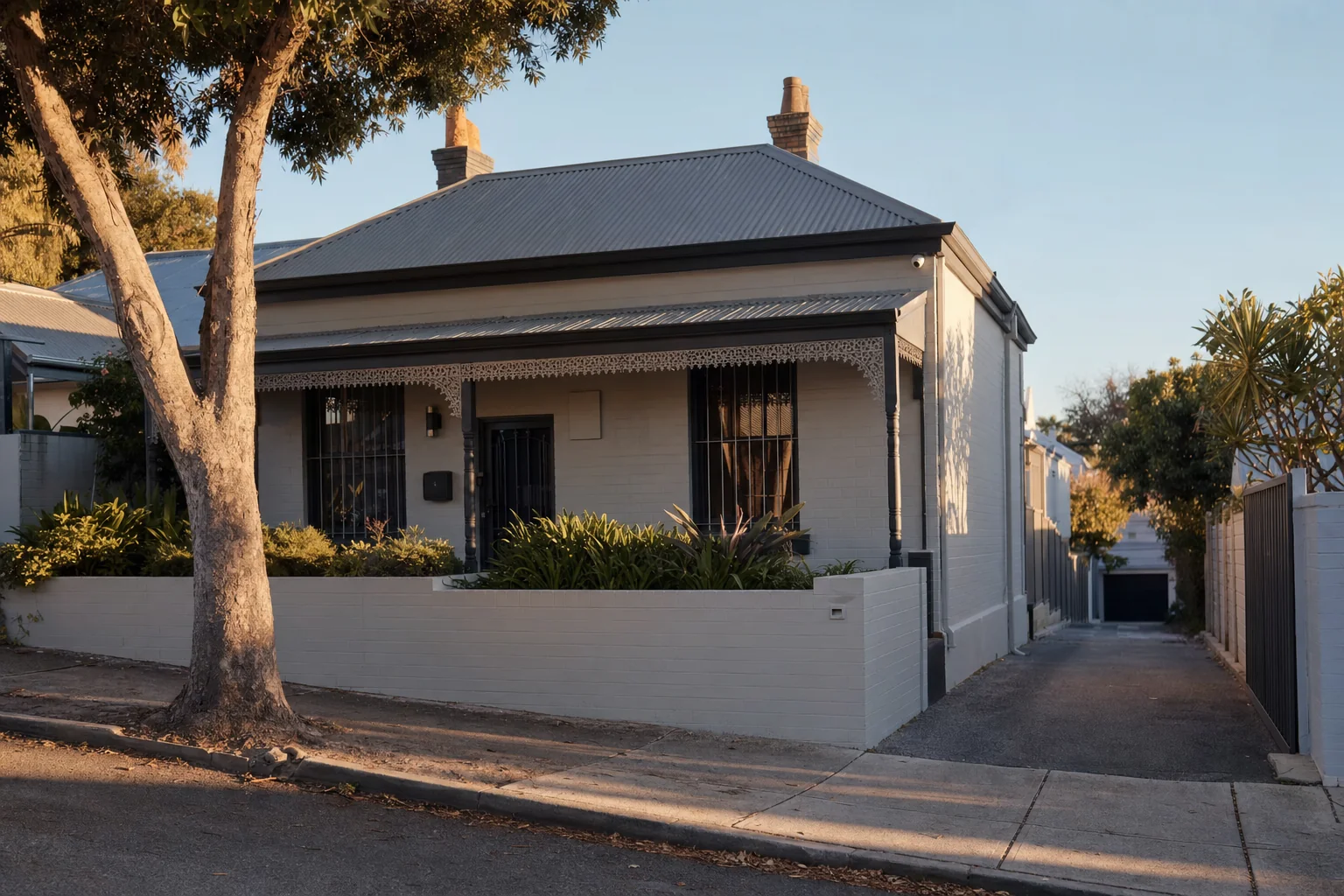
Narrow lots and close neighbours. The question here is nearly always what the camera can see beyond your own boundary.


Get a Free Quote in Subiaco
Tell us where you are and what you need. We inspect the property, then put the quote in writing before any work begins.
Local notes
What Matters in Subiaco
The things about Subiaco that change where a camera goes, or how the cable gets to it.
- We stand where the camera will go
- Before anything is fixed we look at what that position actually sees, including how much of it is next door rather than yours.
- The angle comes back to your boundary
- A small change in position or tilt is usually enough to fill the frame with your own path and fence instead of a neighbour's window.
- Privacy masking where it is still needed
- Most cameras can black out part of the picture permanently, so a window or a section of the neighbouring yard is never recorded at all.
- The detection area is trimmed to match
- The camera stops reacting to movement outside your boundary, which removes most nuisance alerts at the same time.
- Under a metre of setback
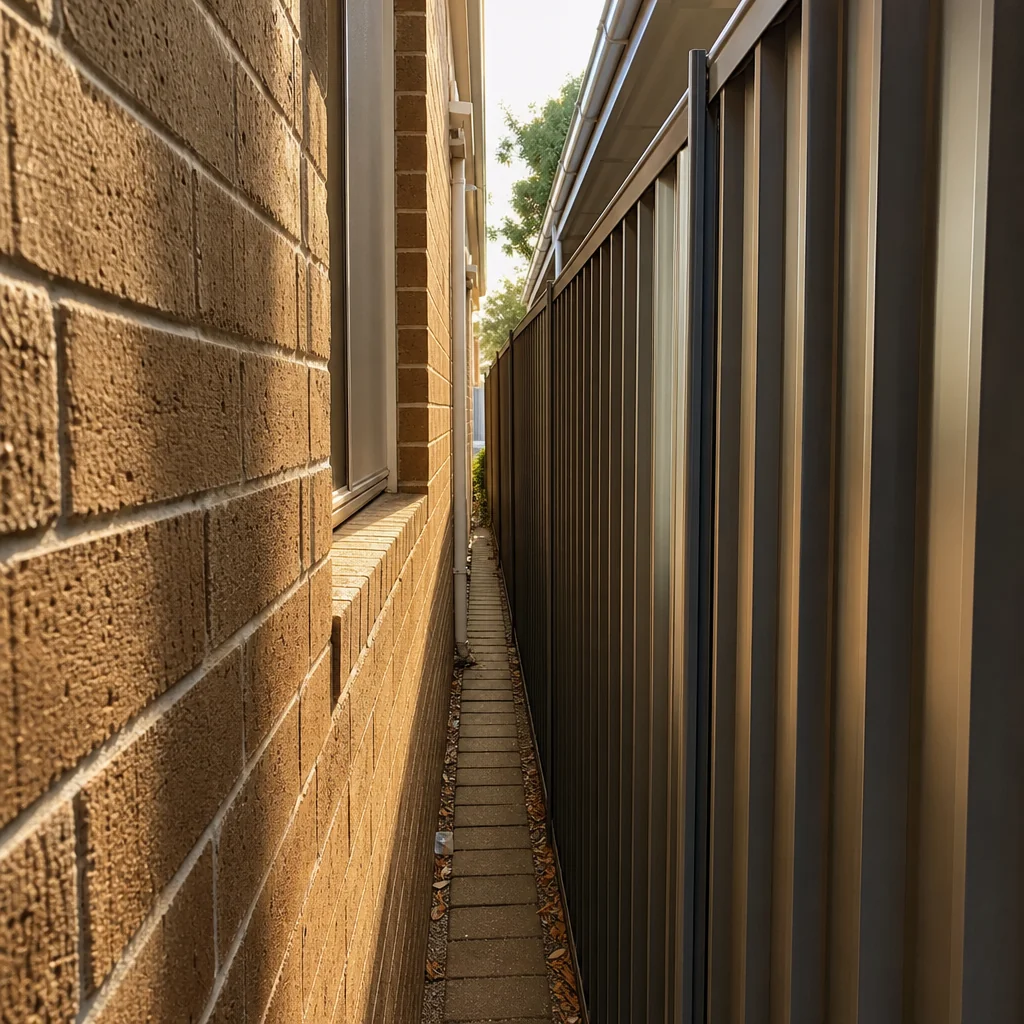
- A wider lens keeps a narrow side run useful. Infrared bouncing off a fence a metre away washes it out completely, so the night view is checked and adjusted.
- You see the result before we leave
- The live view gets checked with you on a screen, so there are no surprises when you open the app that night.
What changes the job
What Changes the Job at Your Address
Space for the recorder is the constraint. It cannot go in a hot roof cavity or take up the only storage cupboard in the house.
- How many levels
- A single storey runs through one roof space. A second storey means the ground floor cameras take a wall cavity or a short hidden run outside.
- What the roof is
- Tile lifts and gives us a way in. A low pitch steel roof leaves very little crawl space, so the route has to change.
- Where the recorder can live
- It needs power, somewhere out of the heat and a path back to the router. Usually that is the garage, a cupboard or the roof space.
- Whether there is cable already
- An older system can leave usable cable in the walls. We test it rather than assume it, and reuse whatever passes.
What We Install in Subiaco
All of it is available here. Each one starts the same way, with an inspection of the property and a written quote before anything is touched.
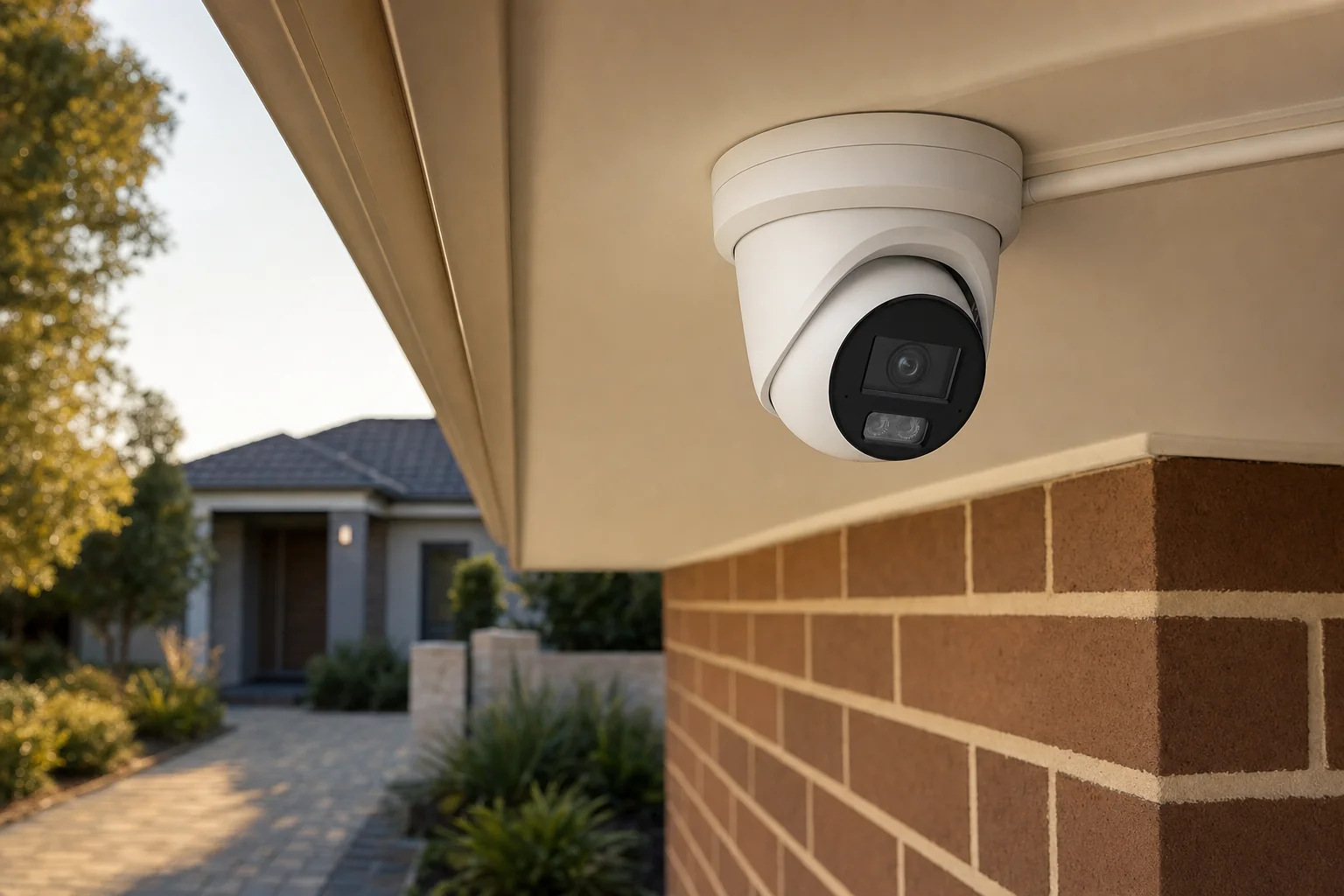 CCTV InstallationA full set of cameras and a recorder fitted to your house, with the cabling hidden in the roof space.
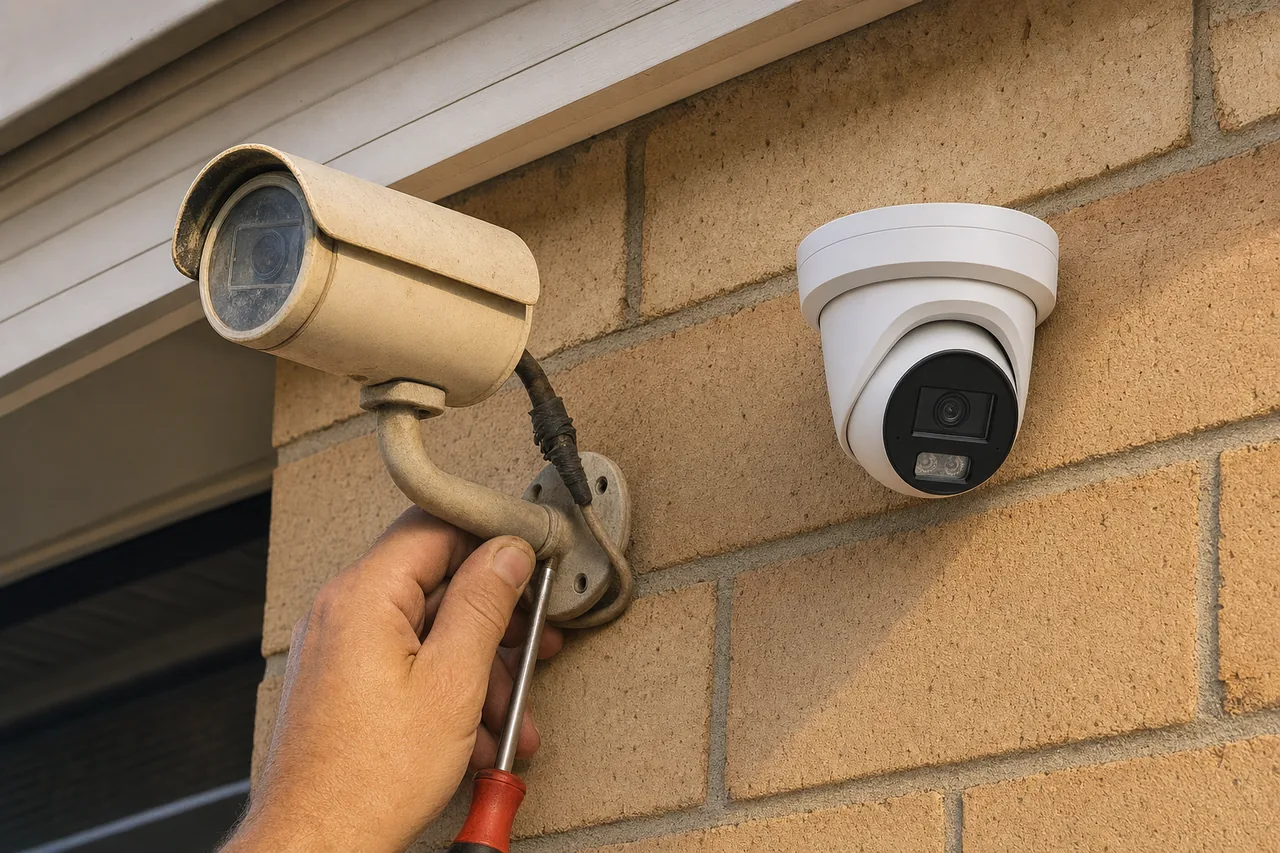 Security Camera Upgrades and ReplacementsReplace tired cameras or a dead recorder, keeping whatever part of the old system is still worth using.
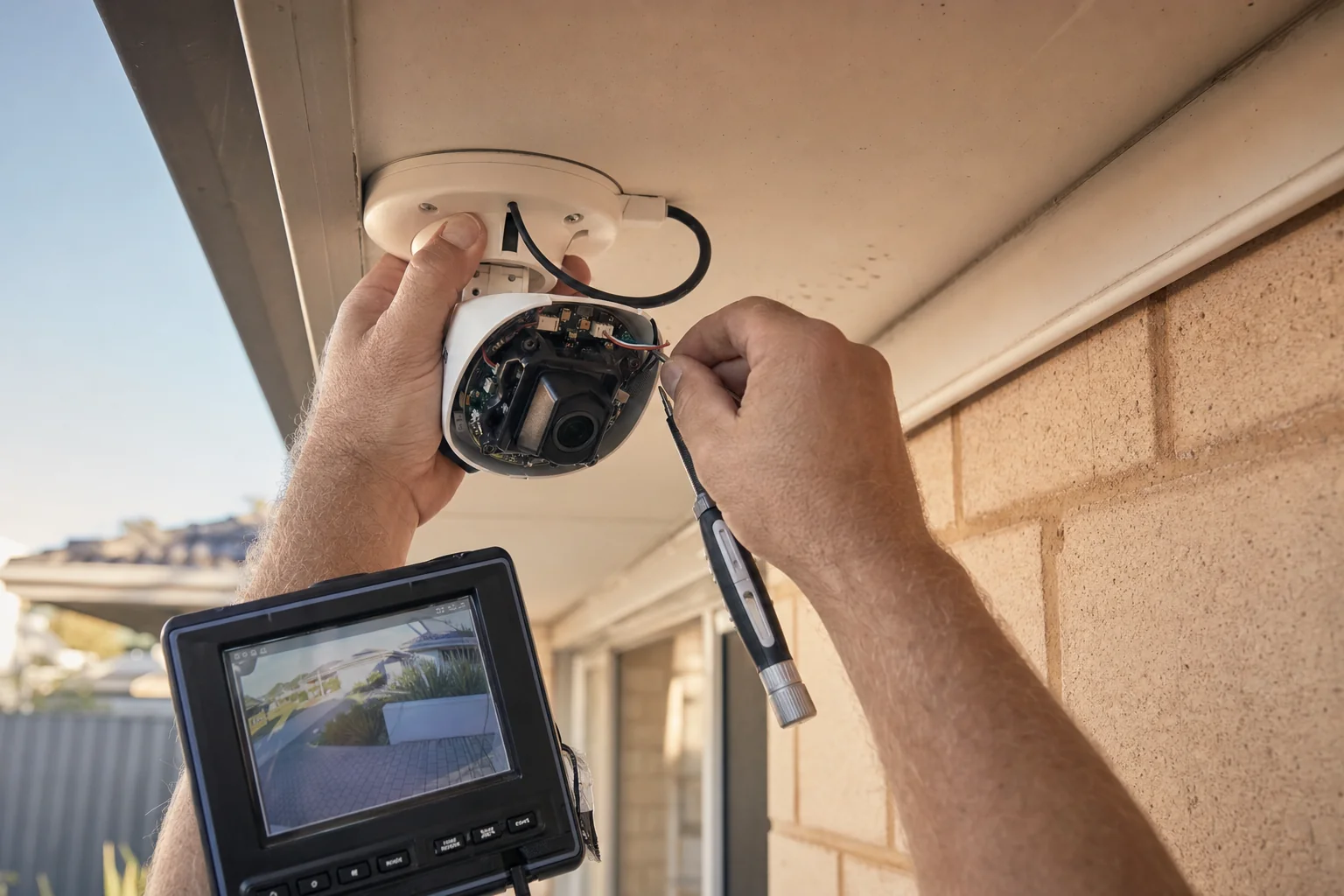 CCTV Repairs and Fault FindingCameras dropping out, a recorder that has stopped recording, or an app that no longer connects, traced and fixed.
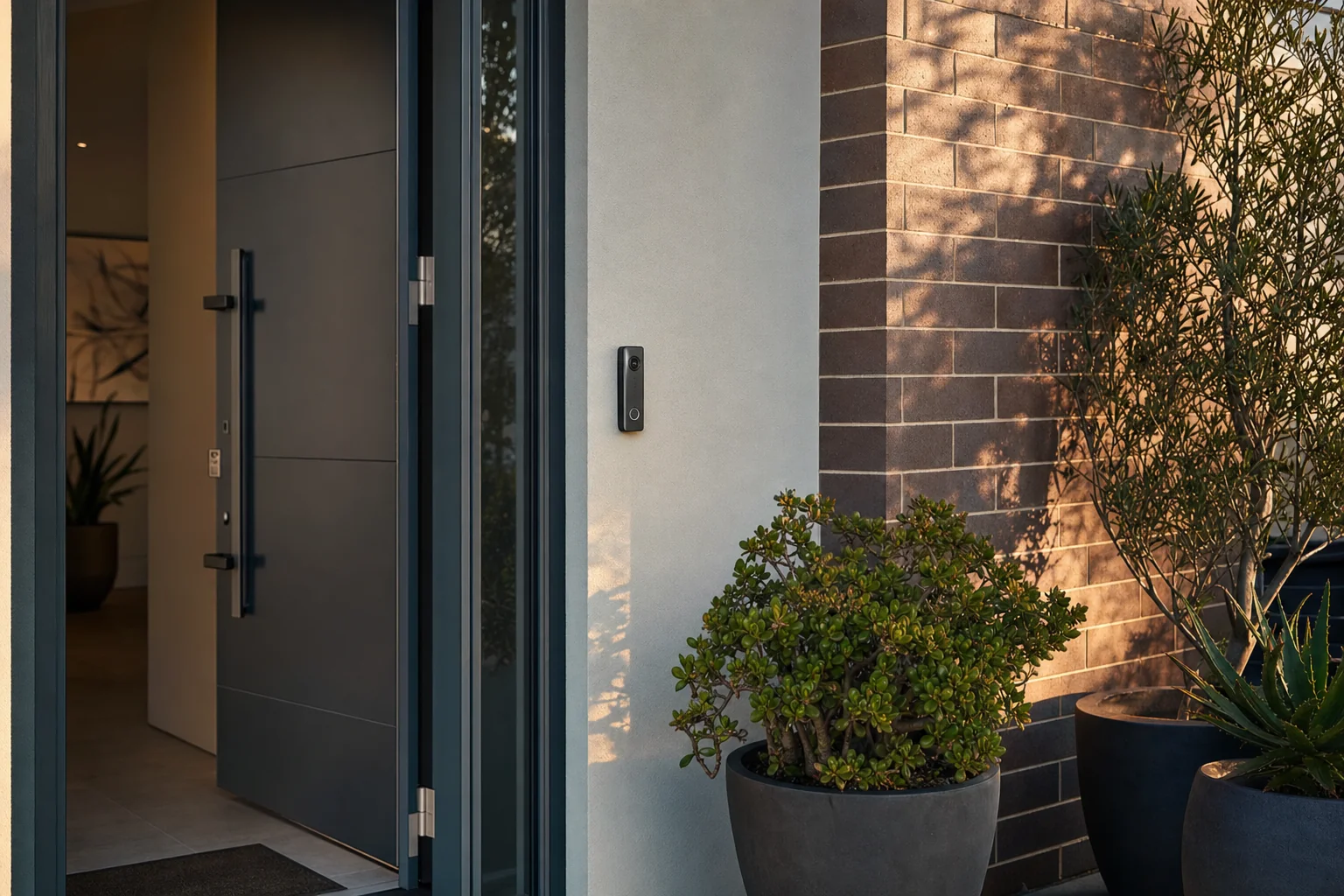 Video Doorbells and IntercomsSee and talk to whoever is at your door or front gate, from inside the house or your phone.
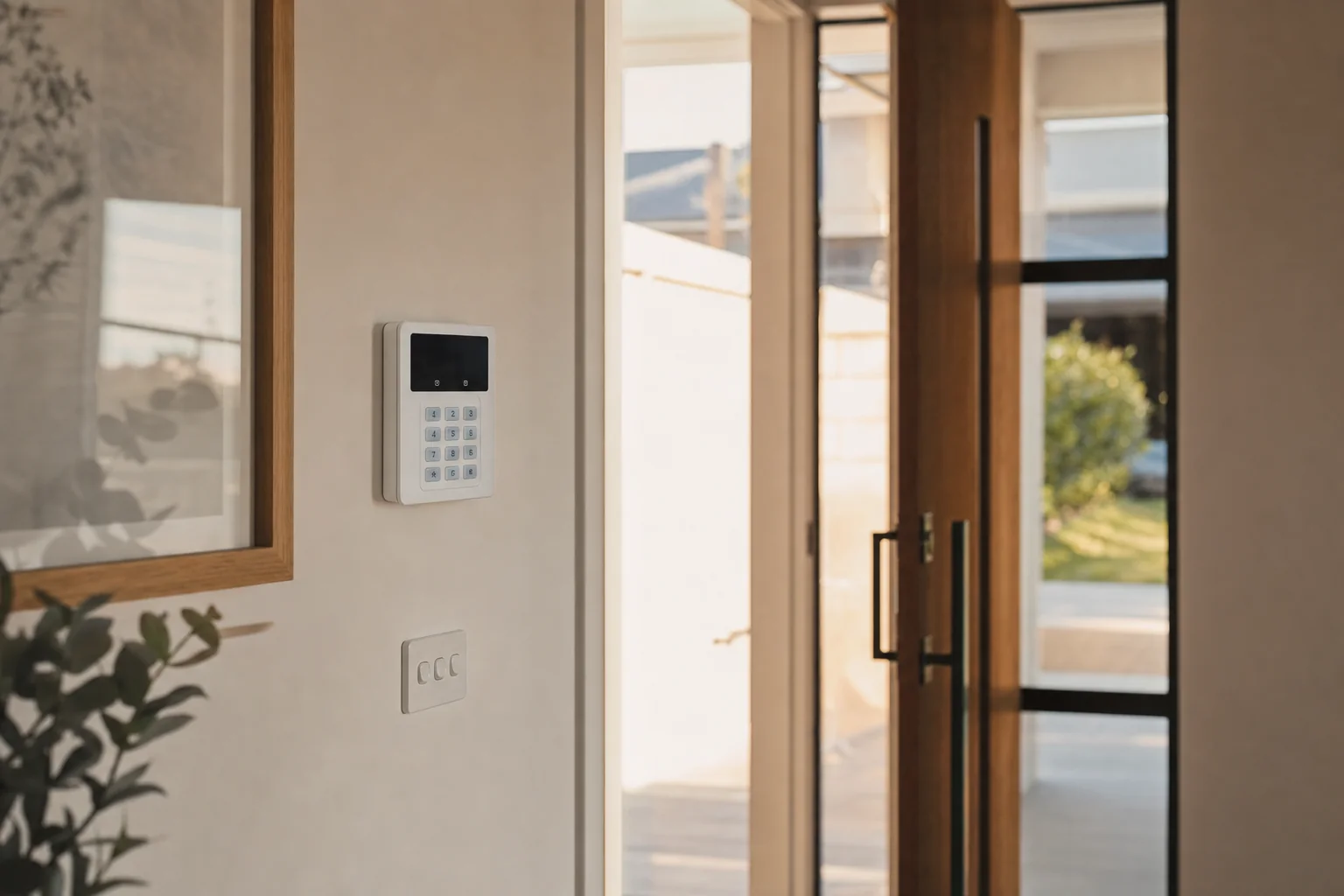 Alarm SystemsA house alarm fitted on its own or wired in with your cameras, so an alert comes with a picture.
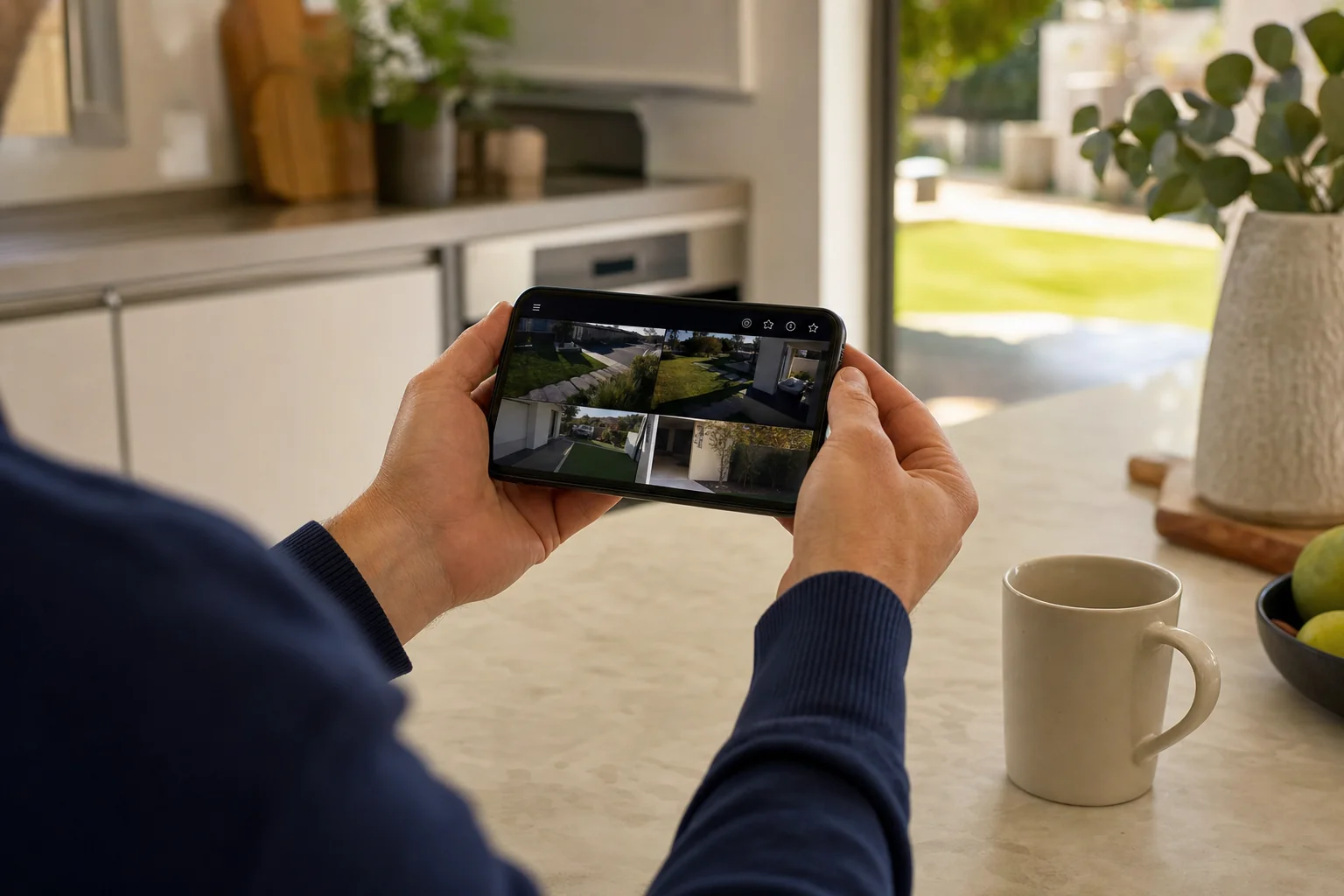 Remote Viewing and Phone App SetupYour cameras on your phone, with alerts that are worth reading and footage you can find quickly.
Before we drill
Strata, Rentals and Shared Walls
Strata is common here, and so are boundaries close enough that the frame matters.
- Strata and common property
- Anything fixed to a shared wall, a common roof or a lobby goes to the owners corporation first. We put the request in writing so you have something to hand over.
- Renting the place
- We ask for the owner's permission before anything is drilled. Where that is not on, we will show you what can go up without fixings.
- Shared walls and boundaries
- We aim the camera at your property, show you the frame before it is fixed, and move it if it takes in more of next door than it needs to.
Common Questions in Subiaco
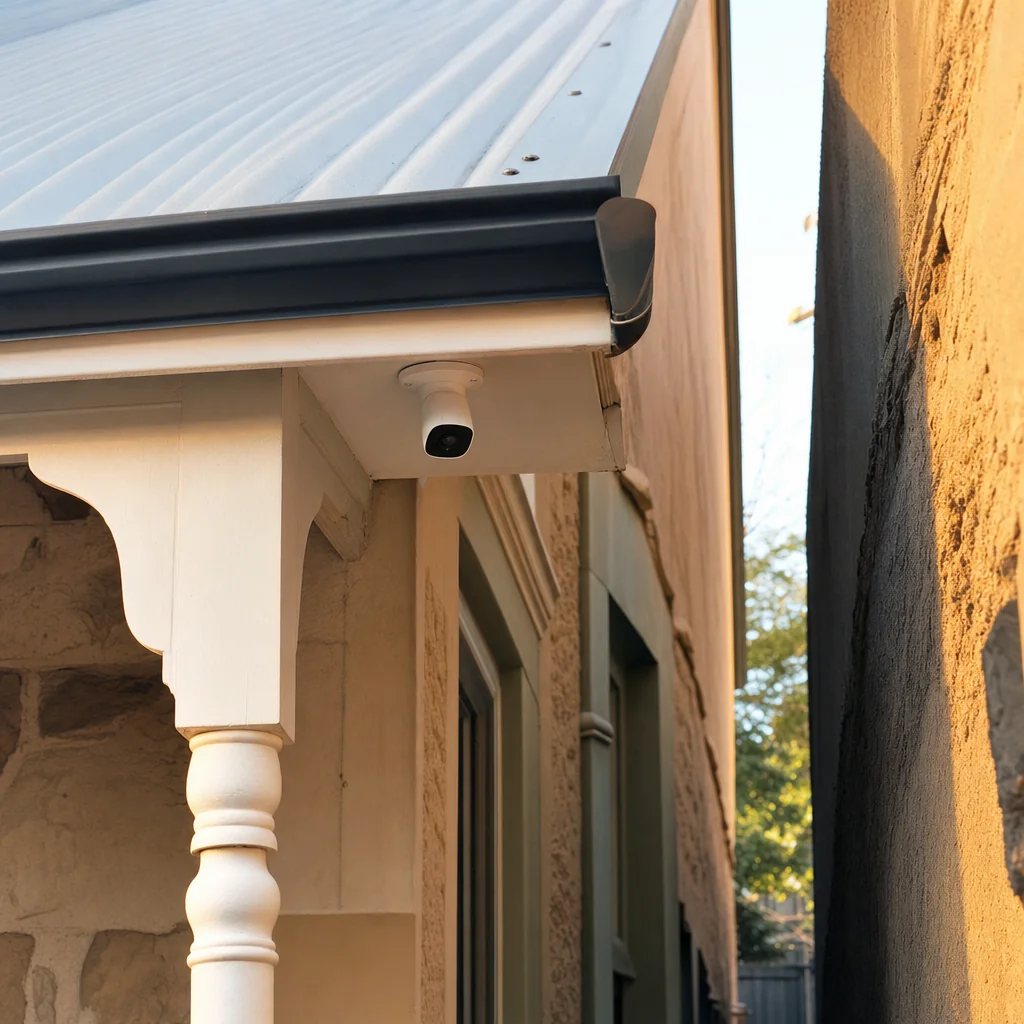
My neighbour is right on the boundary. Will my camera film their place?
It does not have to. The first step is choosing a mounting position and angle that fills the frame with your own property, which on a narrow block usually means mounting further forward or tilting down more.
Where some overlap is unavoidable, most cameras let us permanently black out part of the picture, so that area is never recorded. We will show you the live view before we finish.
Do I need to tell my neighbours I am putting cameras up?
You are not obliged to, but telling them beforehand usually saves awkwardness later. It also gives you the chance to point out that the camera is aimed at your own side path and that their windows are masked out.
Most objections come from not knowing what the camera can see, and that is a five minute conversation rather than a problem.
Can I cover the garage that opens onto the back lane?
Yes, and it is often the most useful camera on the property. It goes on the back of the house or above the garage door, aimed at your own opening and the ground in front of it.
That covers the way you come and go without turning into a camera pointed down the length of the lane. Cable gets run through the roof space the same as any other position.
Why does my side camera go white at night?
Infrared bouncing straight back off a fence a metre away. In a narrow run it washes the whole picture out.
It is an angle problem rather than a settings one, so the night view gets checked on site and the camera adjusted until it reads properly.
My cottage is old but the back is a modern extension. Does that help?
A lot. Rear extensions and modern carports usually give us the easy cable path.
Very often the addition at the back solves the run for the whole house, including positions on the original part.
The side of my house is a metre wide. Is a camera there worth it?
It is, but only with the right lens. A standard lens in a corridor that narrow shows you fence and very little else.
A wider lens covers the width of the path, and the position moves to the front of the run so it sees people coming rather than passing.