
Areas we cover
CCTV Installation Joondalup
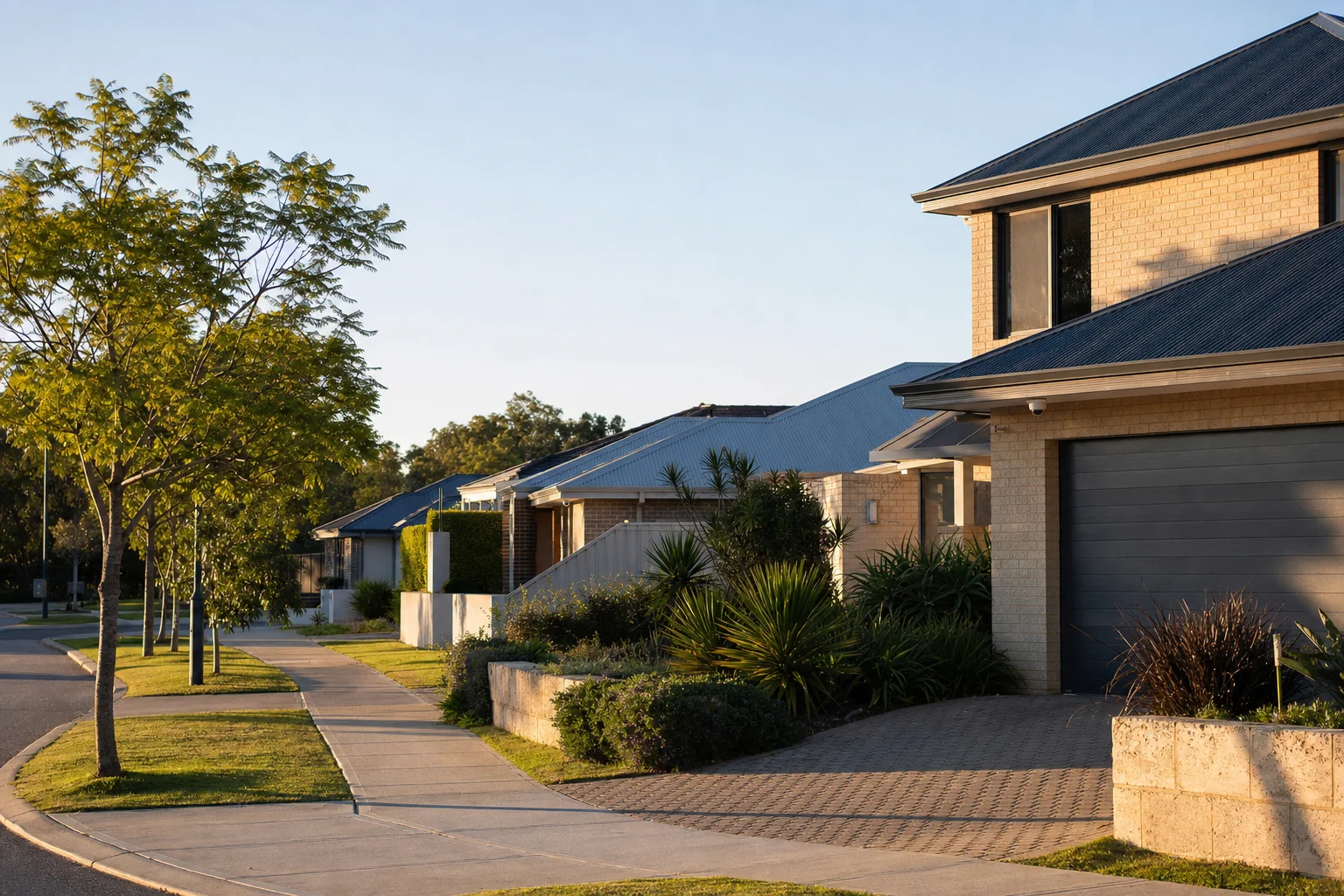
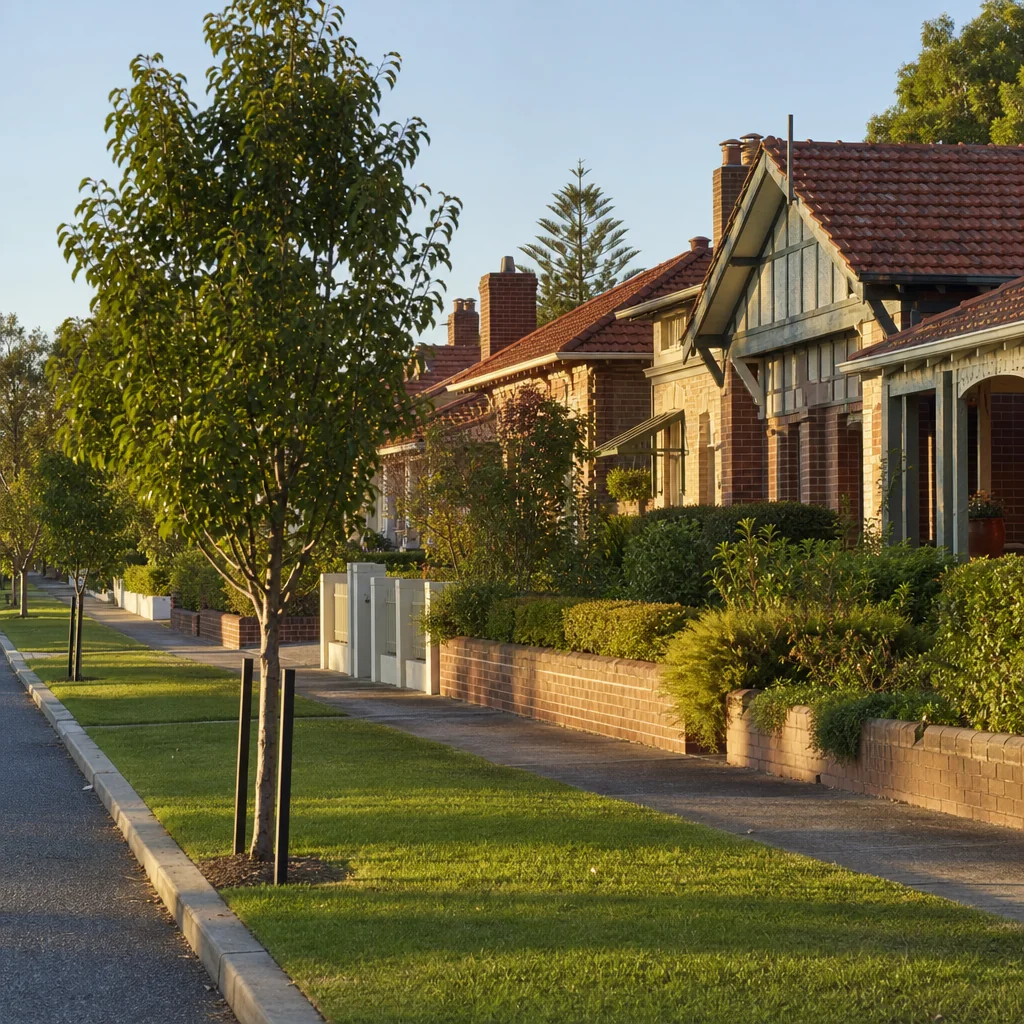
Two kinds of home here, and they need two different approaches: the established brick and tile houses, and the villas and apartments closer to the centre.
Get a Free Quote in Joondalup
Tell us where you are and what you need. We inspect the property, then put the quote in writing before any work begins.
Local notes
What Matters in Joondalup
The things about Joondalup that change where a camera goes, or how the cable gets to it.
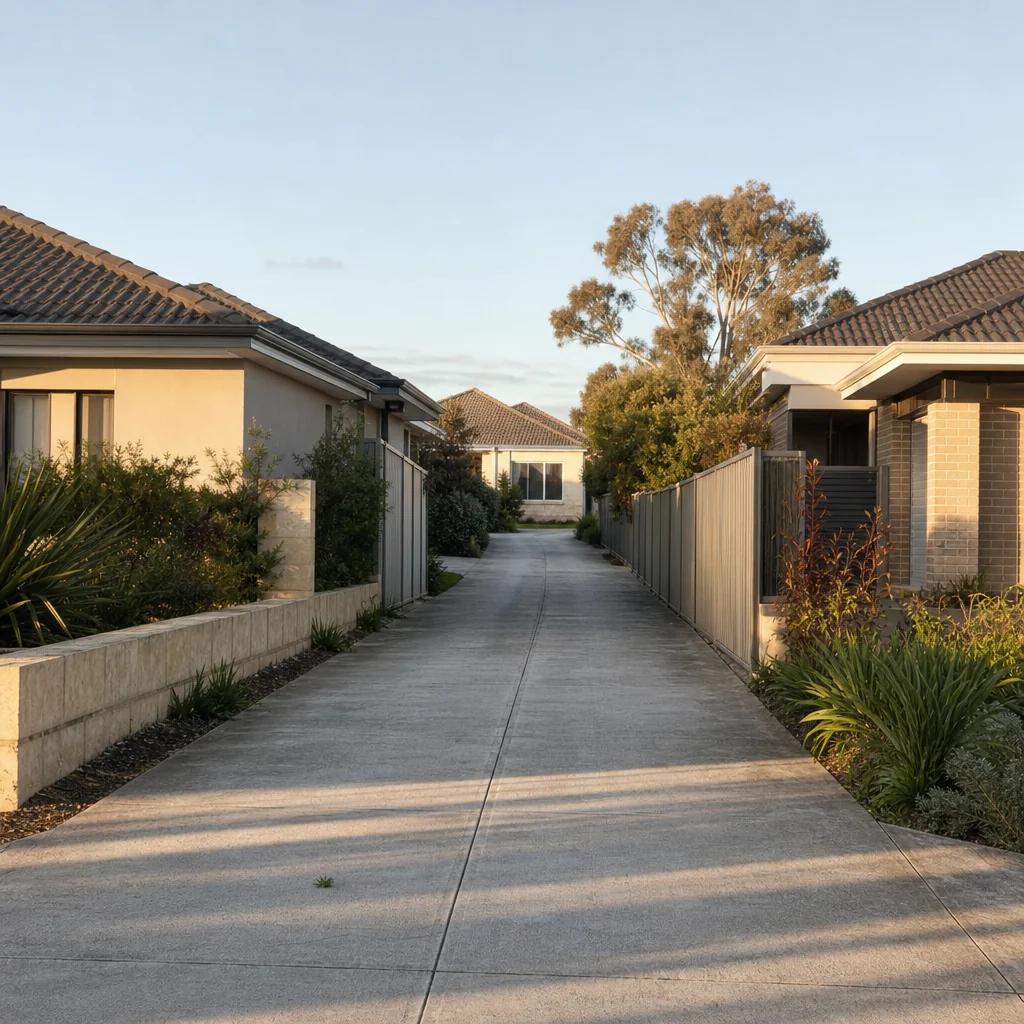
- Battle axe blocks
- Many blocks were subdivided as the area matured, so the house at the back has no street frontage. The pinch point is the head of the shared driveway, not your own front door.
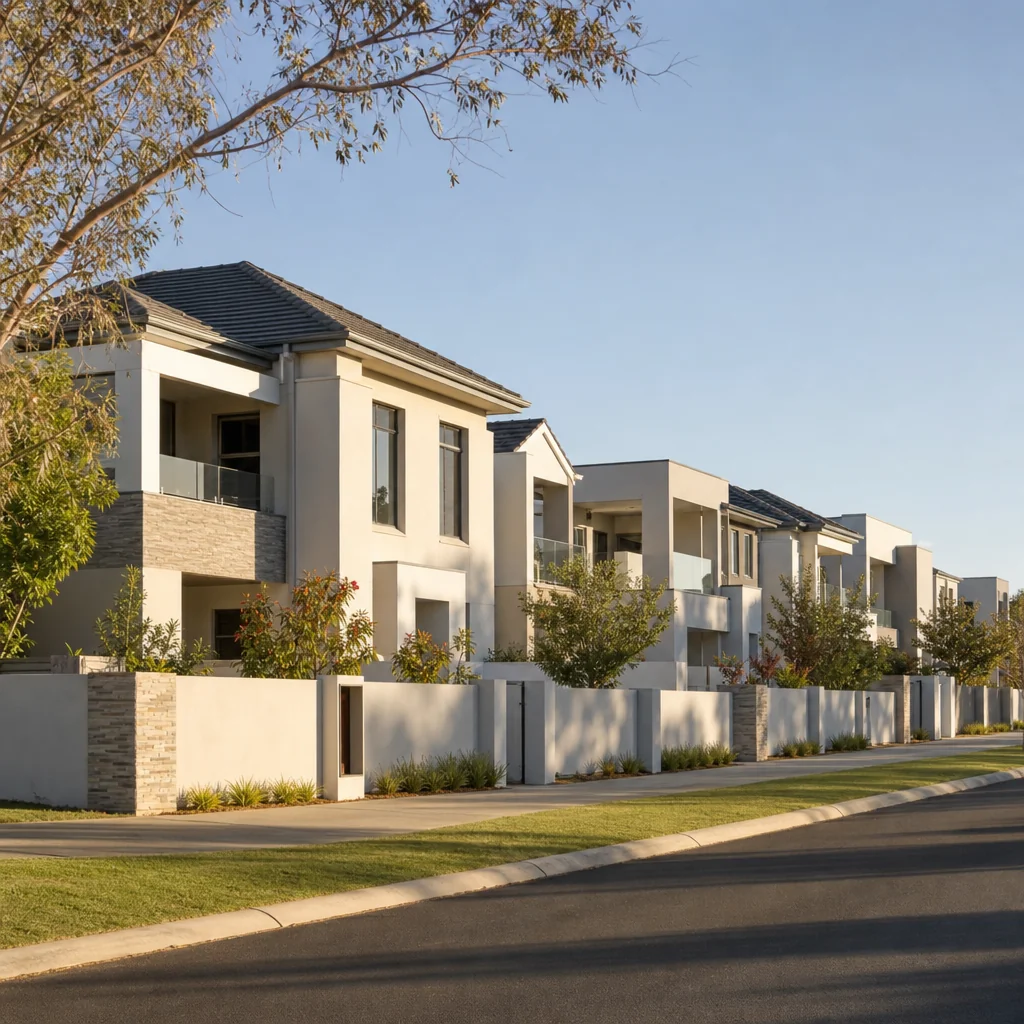
- Two storey homes
- Roof space usually only sits above the top floor, so ground floor cameras get fed down a wall cavity or take a short hidden run outside.
- Villas and townhouses
- Shared walls and shared roof spaces limit where a cable can legally and practically be pulled.
- Anything strata
- Fixing to a common wall, balcony soffit or ceiling needs a strata decision first. So does a camera covering visitor bays or the bin area.
- Backing onto a reserve
- A rear boundary onto a reserve or walkway is worth covering, and it is the one most people forget.
- Old roof versus new
- Established houses have a generous tiled roof space. Newer infill homes on the same street often have a low pitch Colorbond roof, which is a much tighter crawl.
What changes the job
What Changes the Job at Your Address
The recorder is the one that catches people out here. Plenty of these homes have no garage the cable can reach, so it ends up in a robe or up in the roof space.
- How many levels
- A single storey runs through one roof space. A second storey means the ground floor cameras take a wall cavity or a short hidden run outside.
- What the roof is
- Tile lifts and gives us a way in. A low pitch steel roof leaves very little crawl space, so the route has to change.
- Where the recorder can live
- It needs power, somewhere out of the heat and a path back to the router. Usually that is the garage, a cupboard or the roof space.
- Whether there is cable already
- An older system can leave usable cable in the walls. We test it rather than assume it, and reuse whatever passes.
What We Install in Joondalup
All of it is available here. Each one starts the same way, with an inspection of the property and a written quote before anything is touched.
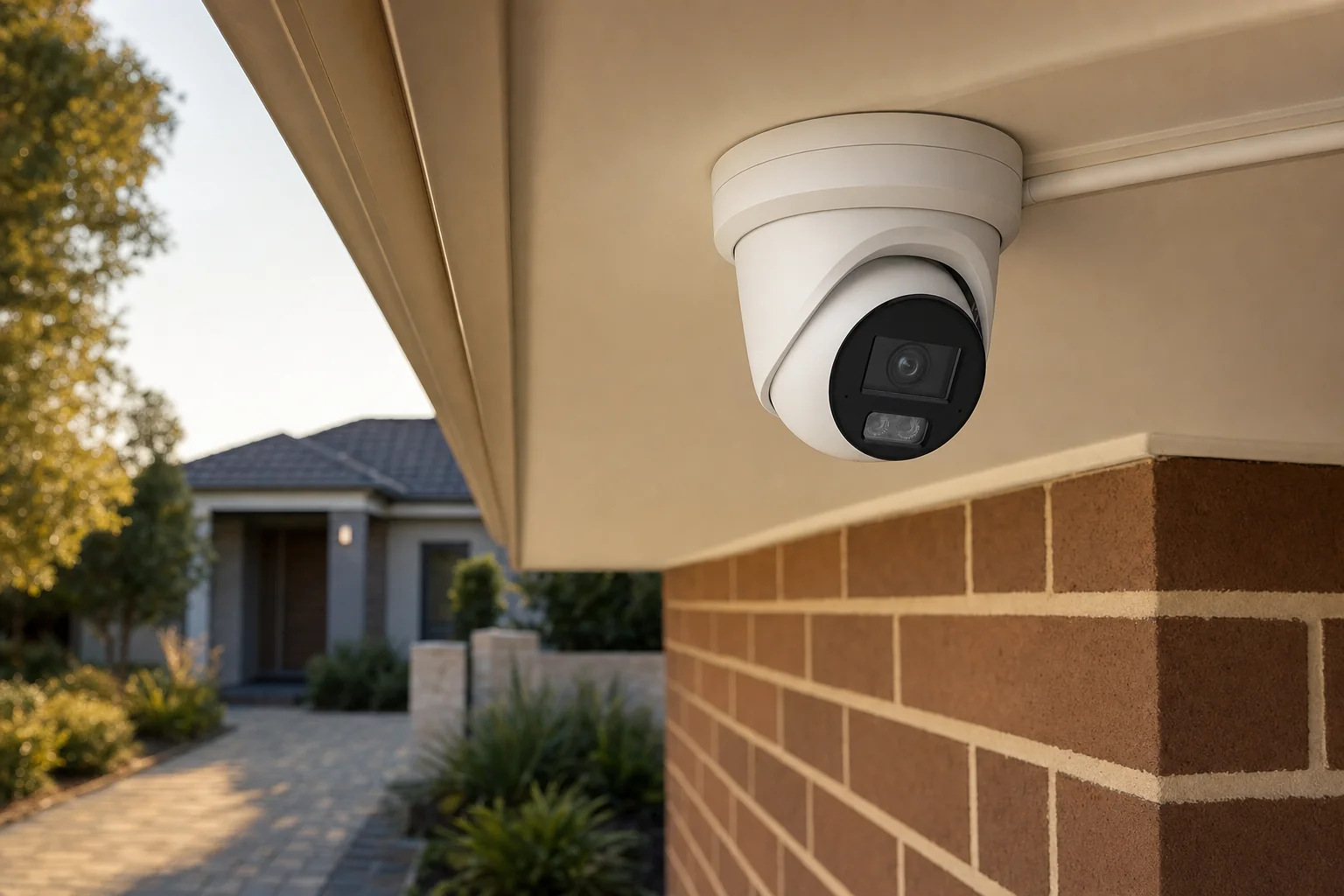 CCTV InstallationA full set of cameras and a recorder fitted to your house, with the cabling hidden in the roof space.
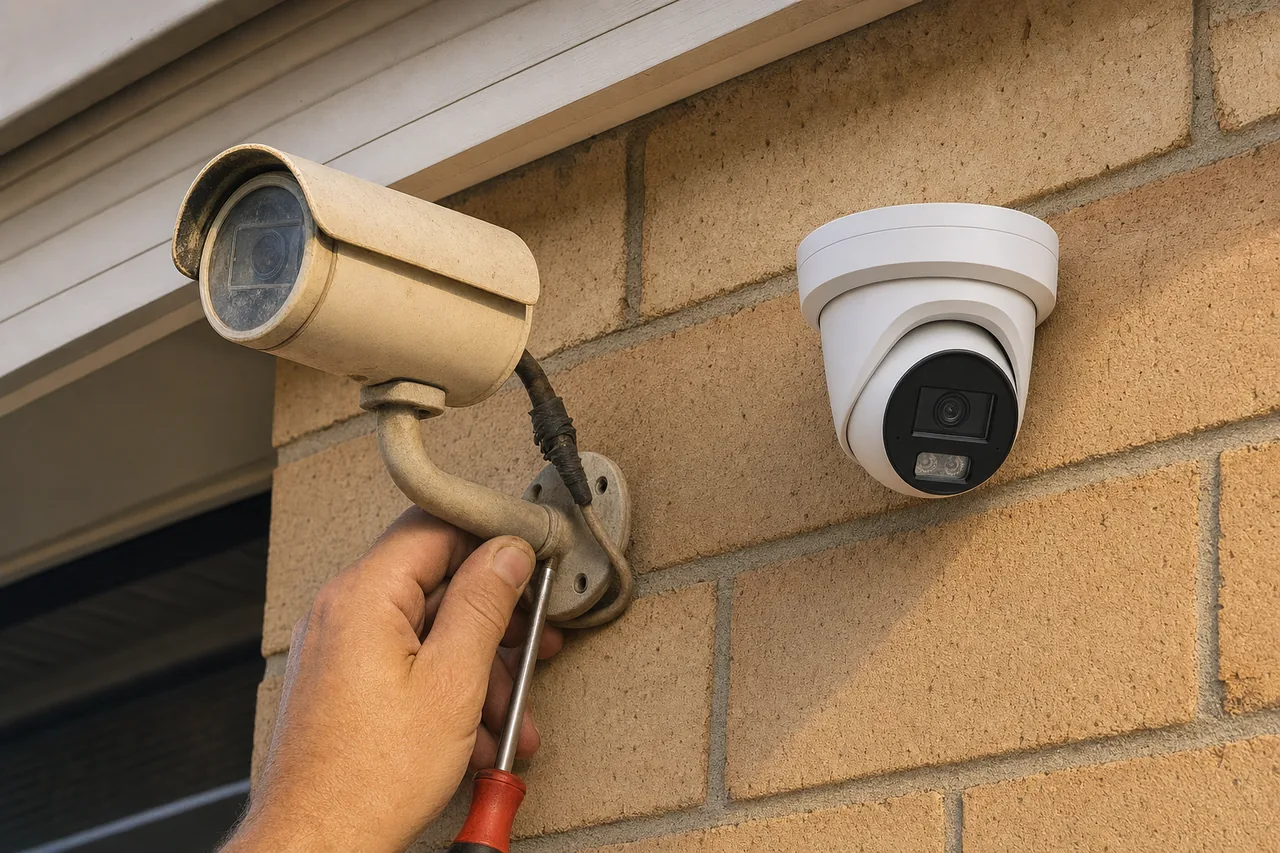 Security Camera Upgrades and ReplacementsReplace tired cameras or a dead recorder, keeping whatever part of the old system is still worth using.
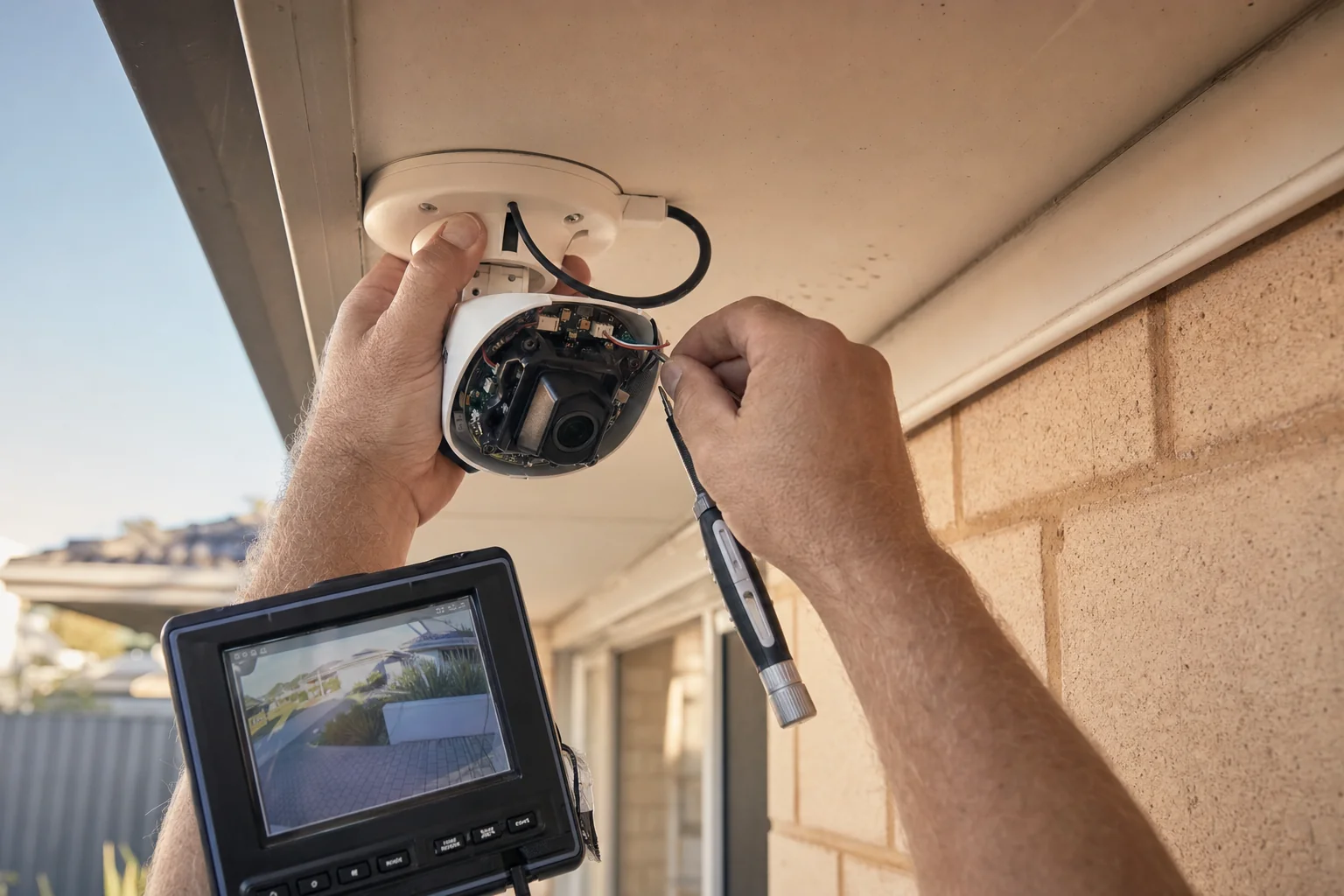 CCTV Repairs and Fault FindingCameras dropping out, a recorder that has stopped recording, or an app that no longer connects, traced and fixed.
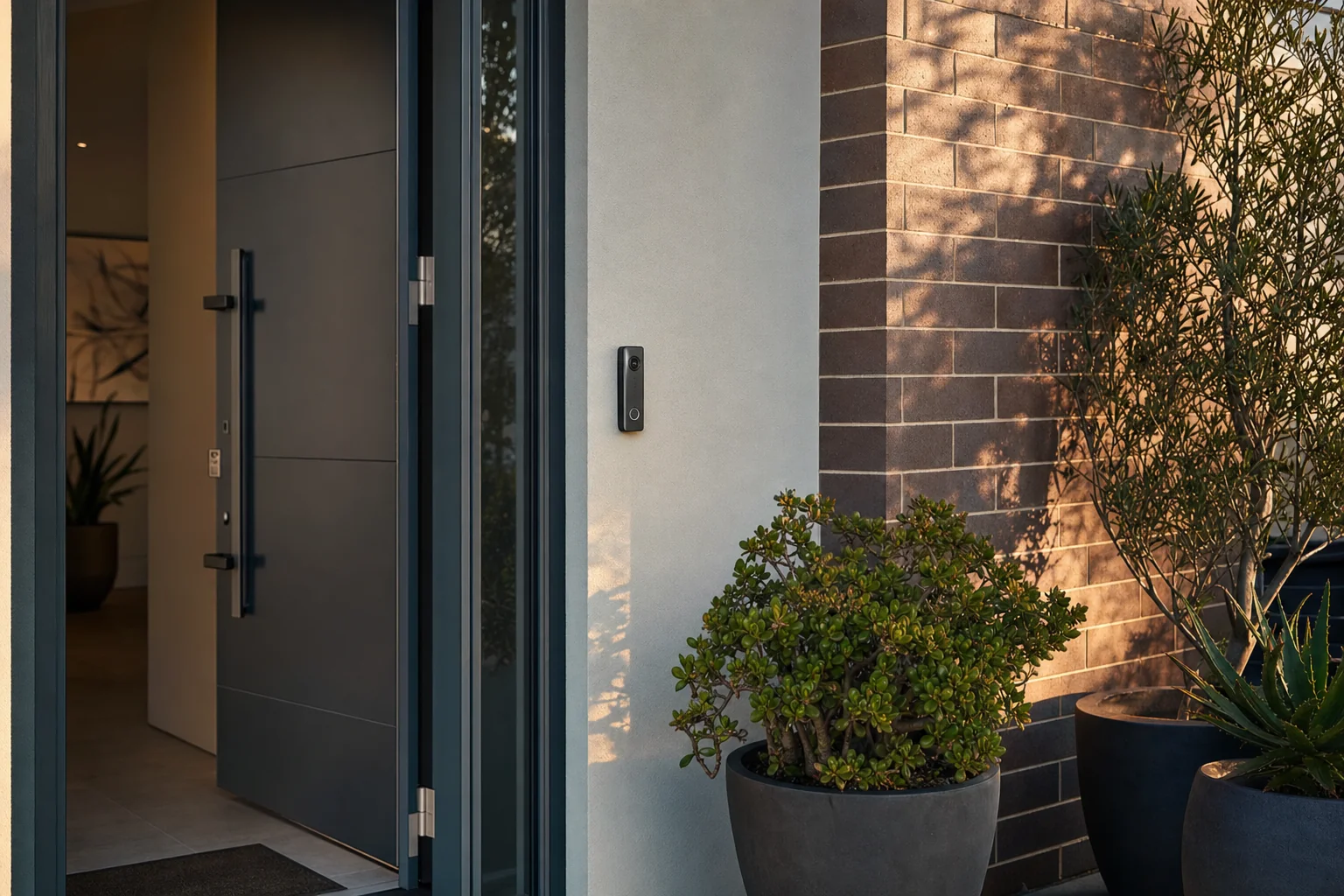 Video Doorbells and IntercomsSee and talk to whoever is at your door or front gate, from inside the house or your phone.
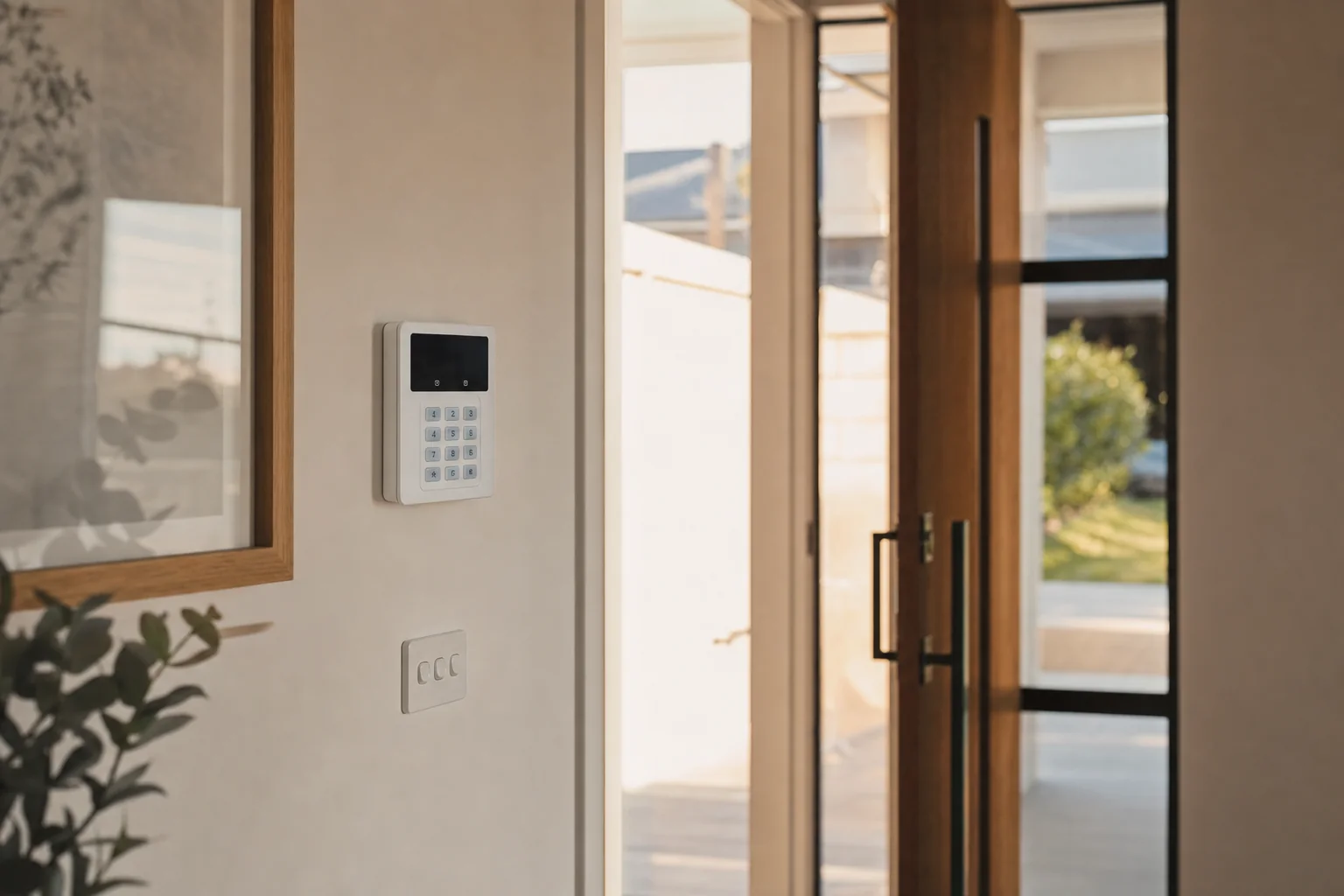 Alarm SystemsA house alarm fitted on its own or wired in with your cameras, so an alert comes with a picture.
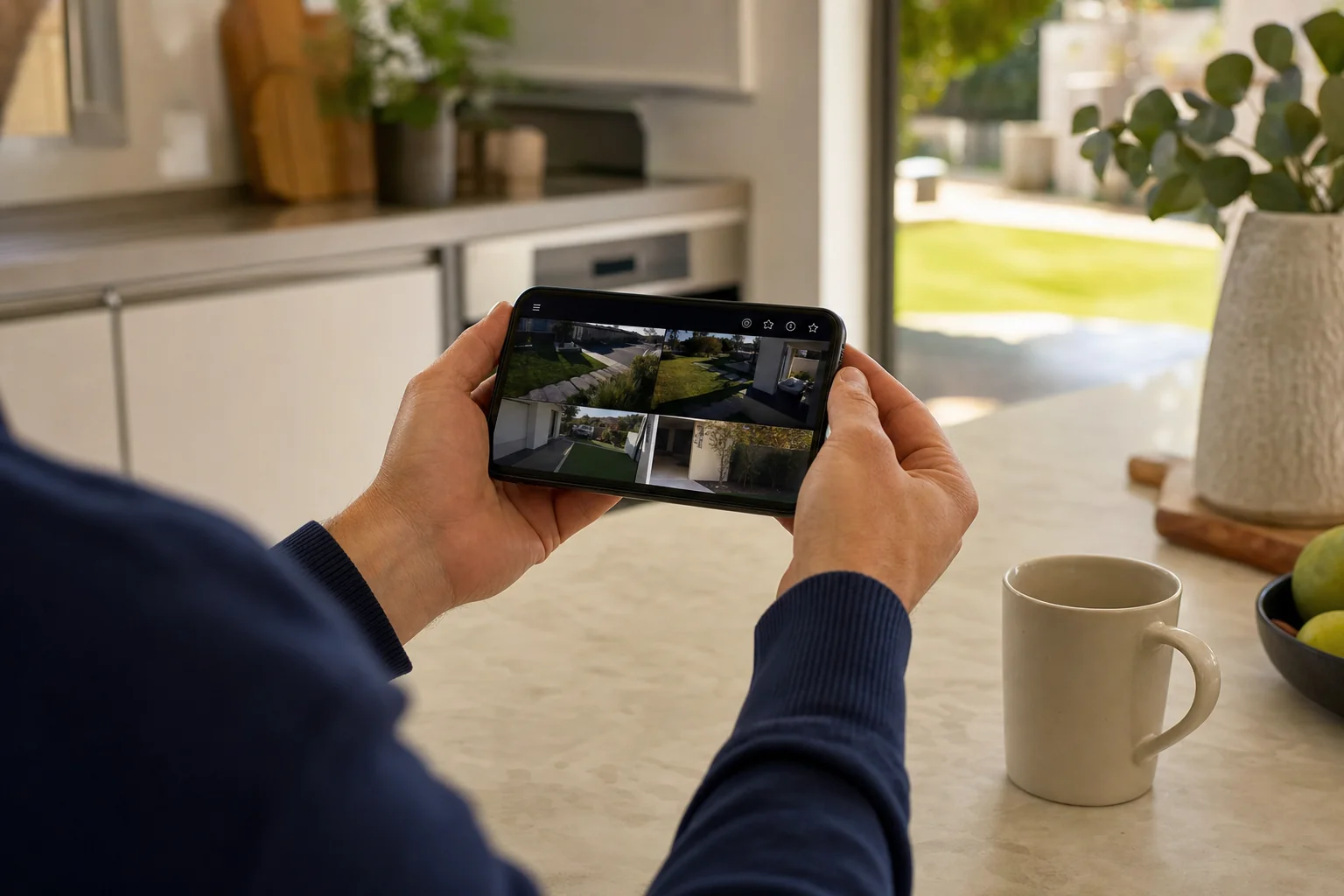 Remote Viewing and Phone App SetupYour cameras on your phone, with alerts that are worth reading and footage you can find quickly.
Before we drill
Strata, Rentals and Shared Walls
Comes up most with the villas and the apartments closer to the centre.
- Strata and common property
- Anything fixed to a shared wall, a common roof or a lobby goes to the owners corporation first. We put the request in writing so you have something to hand over.
- Renting the place
- We ask for the owner's permission before anything is drilled. Where that is not on, we will show you what can go up without fixings.
- Shared walls and boundaries
- We aim the camera at your property, show you the frame before it is fixed, and move it if it takes in more of next door than it needs to.
Common Questions in Joondalup
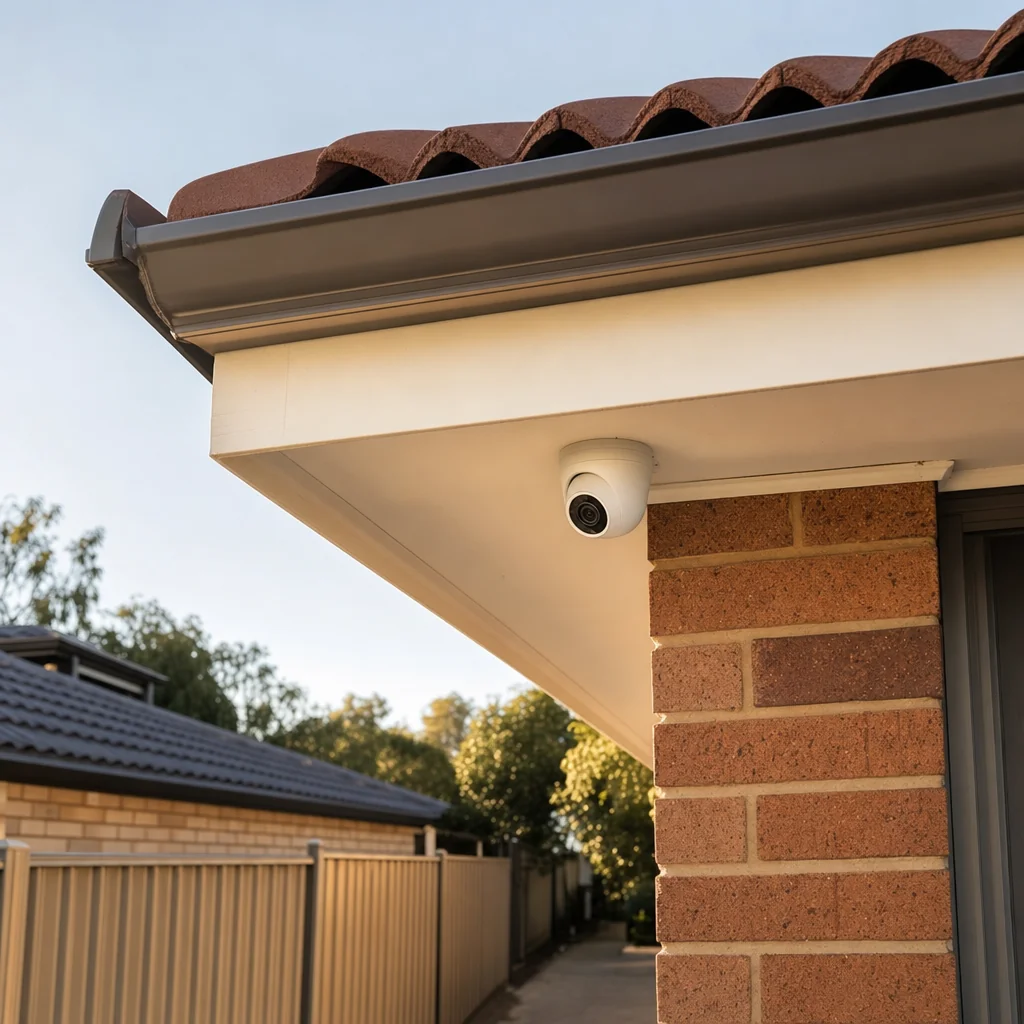
Can you install cameras on a Joondalup townhouse or apartment?
Usually yes, but the strata rules decide what goes where. Anything fixed to a shared wall, an eave or a balcony soffit normally needs approval, since that surface is common property.
We can put the camera positions and the fixing method in writing so you have something concrete to hand to your strata manager. Inside your own space there is a lot more freedom.
My house is at the back of a battle axe block. Where do the cameras go?
The shared driveway is the key position, because everyone who comes to your place walks or drives down it. A camera at your end of the drive, looking back up towards the street, catches the whole approach.
You then cover your own front door and the back yard as normal. It is worth knowing you can only cover the part of the driveway you have rights over, so we set the framing to suit.
Do I need a camera on the back fence if I back onto a reserve?
It is worth one, and it is the position people most often skip. A rear boundary onto parkland or a walkway is a quiet way in and out, and it is the part of the block you can see least of from inside the house.
The camera goes on the house or the patio looking back at the fence line, not on the fence itself, so it stays out of reach and stays on your own structure.
Do I need approval from my strata before you start?
If anything is going onto common property, yes. That means shared walls, eaves, balcony soffits and ceilings.
We put the positions and the fixing method in writing so you have something concrete to give your strata manager rather than a verbal description.
How many cameras does a standard Joondalup house need?
Four covers most single storey homes here: front door, driveway, side gate and back yard.
Corner blocks and homes with a second side access need more. We count the ways onto the block standing in the yard with you, not off a map.
Can you get a cable out to a front gate intercom?
Usually, but the front lawn is the deciding factor. Reticulation and limestone both get in the way of a trench.
We mark the route out with you before anything is dug, so you know exactly what is being disturbed.